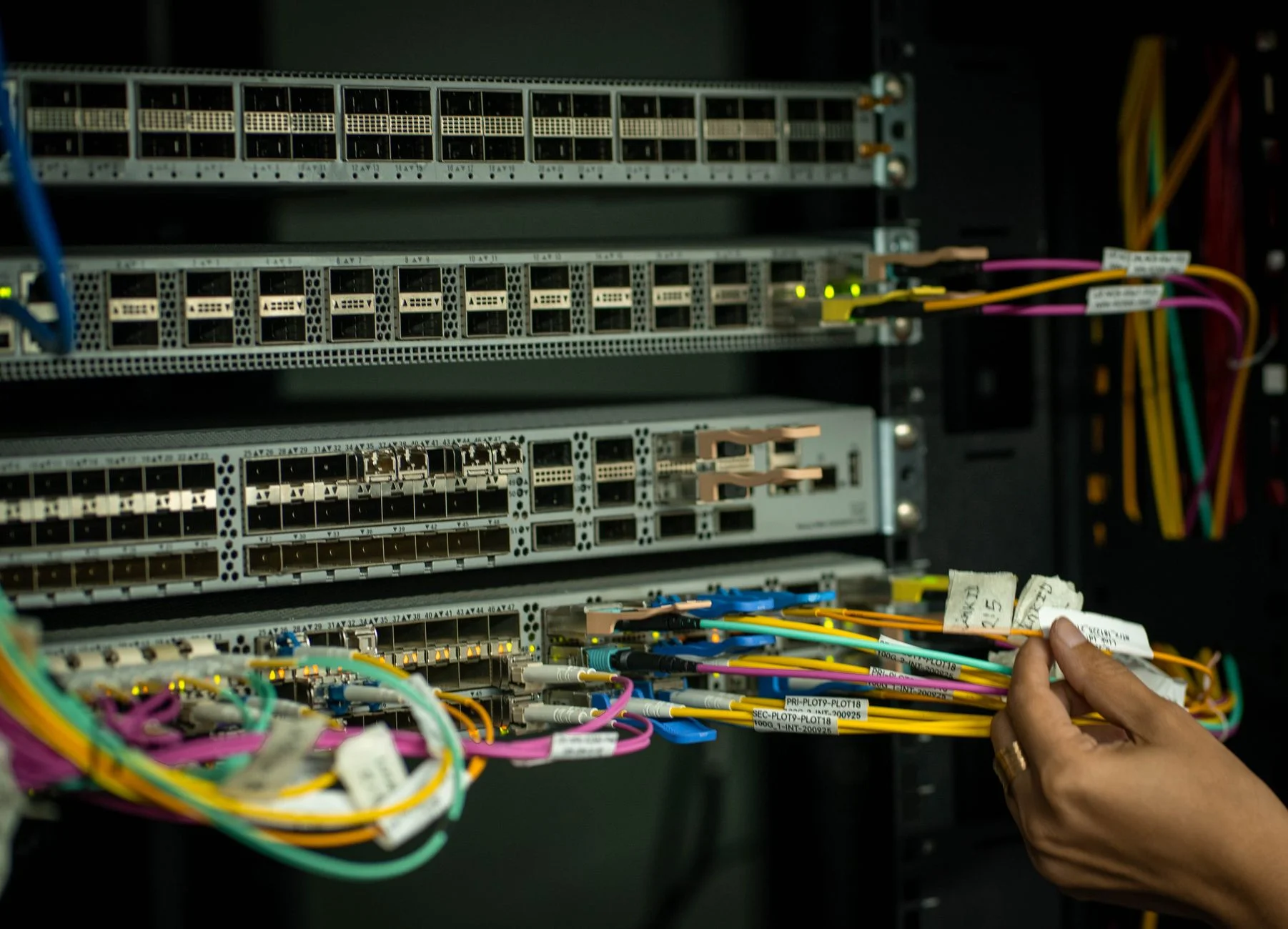
The first sign that acquisition talks have gotten serious is rarely a term sheet. It's an email asking for read access to your repositories, your incident history, and a call with whoever owns your data pipeline. That request lands on a Friday afternoon, and most engineering teams realize in that moment that nobody has looked at the codebase as a whole in over a year.
Technical due diligence is not a code review. It's an attempt by the buyer's engineers, or a contracted firm, to answer one question fast: will this system keep working, and how much will it cost to keep it that way. Founders who treat it like a demo lose credibility quickly, because reviewers are trained to look past the demo and into the parts nobody planned to show them.
Most teams get roughly two to four weeks of notice before the real questioning starts, and almost none of that time is enough to fix structural problems. What it is enough for is getting organized, so that whatever state the codebase is actually in gets represented honestly and completely instead of scrambled together the night before a call.
What reviewers are actually trying to answer
Every technical due diligence process is really three separate audits running in parallel. The first is a risk audit: security exposure, license compliance, and single points of failure. The second is a cost audit: how much of the roadmap is paying down debt versus building new value, and how many people would need to be hired to keep the lights on. The third is a fit audit: does the architecture support where the acquirer wants to take the product in the next two years.
None of these audits care how clever your code is. They care whether the system is legible to someone who didn't write it. A well-organized, moderately dated codebase with clear documentation will usually score better than a cutting-edge one that only makes sense to the two engineers who built it.
Start with an honest dependency and license inventory
Before anyone asks, generate a full list of your direct and transitive dependencies, their versions, and their licenses. Reviewers check this early because an unexpected GPL dependency or a package that hasn't been updated in three years is an easy, objective finding that gets flagged in the first hour.
Photo by RDNE Stock project on Pexels
Pair the inventory with your vulnerability posture. Tools that scan against databases like the National Vulnerability Database will surface known CVEs in your stack before a reviewer's tooling does it for you. Being able to say "we know about these three, here's our remediation timeline" reads completely differently than a buyer's scanner finding them first.
This is also the point to check whether the license terms on your dependencies actually match how you're using them. A copyleft library pulled in for a small utility function years ago, with terms nobody reread since, is a classic finding that turns a routine call into a legal review nobody budgeted time for.
Document the parts that only live in one person's head
Every codebase has a handful of systems that work because one engineer remembers why. Deployment scripts with undocumented environment assumptions, a cron job nobody's touched since it was written, a manual step in the release process that lives in someone's notes app. Due diligence interviews find these fast, because the question "walk me through how a deploy actually happens" tends to surface them within minutes.
Write these down before the calls start, even in rough form. A messy internal wiki page beats a verbal explanation that only one person can give, because reviewers weigh institutional-knowledge risk heavily when they're pricing the deal.

Photo by Tima Miroshnichenko on Pexels
A useful exercise is to have each engineer write down the three things they'd worry about if they left the company tomorrow. Collected across a team of five or six people, that list becomes the actual agenda for your documentation sprint, rather than guessing at what might matter.
Incident history is an asset, not a confession
Founders often want to downplay past outages during due diligence, which is the opposite of what reviewers respond well to. A clear record of incidents, what caused them, and what changed afterward demonstrates that the team learns from failure instead of repeating it. No incident history at all is a worse signal than a handful of well-documented ones, because it usually means nobody was tracking anything closely enough to notice.
Pull together your last six to twelve months of postmortems, even informal ones, and make sure each includes a plain description of the root cause and the concrete follow-up action, not just "resolved." Reviewers read postmortems as a proxy for engineering maturity more than as a list of past mistakes.
Security posture is checked line by line
Reviewers will look at authentication flows, secrets management, and how you handle user data, often against a framework like the OWASP cheat sheets as a baseline. If you've never run a structured security review, technical due diligence will effectively be your first one, and it will happen under time pressure with money on the table.
Getting ahead of this is one of the more common reasons companies bring in outside help before a deal process starts. A focused audit against your own web development services footprint, before a buyer's team does the same thing on their timeline, tends to surface fixable issues while they're still cheap to fix.
Data pipelines and integrations get their own scrutiny
If your product moves data between systems, expect a separate line of questioning about pipeline reliability, backfill capability, and what happens when an upstream API changes shape without warning. Buyers have been burned before by acquiring a product whose "real time sync" turns out to be a nightly cron job held together with retries.
Have answers ready for how data quality is monitored, what your replay story looks like after an outage, and where the integration points with the most operational risk actually are. If this area hasn't had focused attention, it's worth treating as seriously as the security review, since data integrity questions tend to resurface in every follow-up call.

Reviewers will also ask what happens when a third-party API you depend on deprecates a version or changes its rate limits without warning. Having even a rough answer, rather than a blank stare, signals that someone is actually watching the seams between systems instead of assuming they'll hold.
The public-facing site gets checked too
It's easy to assume due diligence only looks at private repositories, but reviewers routinely check the public site as a signal of engineering discipline. Broken structured data, an unmanaged sitemap, or duplicate content from unpruned URL parameters all suggest the same team hasn't been maintaining things that are actually visible to customers. A quick pass with the same rigor you'd apply through a technical SEO services engagement often catches these before an outsider does.
"Buyers read a messy public site the same way they read a messy codebase. It's evidence about how the team operates, not just a marketing problem." - Dennis Traina, founder of 137Foundry
Version control hygiene and audit trails
A buyer's technical team will look at your commit history, branch strategy, and how changes get reviewed before merging. Gaps here read as process risk. If your history is clean and traceable through a standard workflow on a platform like GitHub, that's a small but real point in your favor, because it means changes can be audited after the fact rather than reconstructed from memory.
For companies where the deal involves any regulatory disclosure, it's also worth knowing what a formal filing process expects around record-keeping, which the SEC publishes guidance on for public and soon-to-be-public entities. Most private acquisitions won't need this level of formality, but the underlying habit, being able to reconstruct who changed what and why, matters either way.
A related, often-overlooked check is whether your CI pipeline actually gates merges on passing tests, or whether that rule gets quietly skipped under deadline pressure. Reviewers who dig into a handful of recent pull requests can usually tell within minutes which one is true.
Build the data room before anyone asks for one
The teams that come through technical due diligence looking calm are usually the ones who assembled their materials months before a deal was on the table. A basic data room includes an architecture diagram, the dependency and license inventory, your incident history with root causes, and a short document explaining any parts of the system that are genuinely unusual and why.

Photo by Tima Miroshnichenko on Pexels
Treat this the way you'd treat any other piece of 137Foundry's engineering services work: something that gets maintained continuously, not assembled once under deadline pressure. Revisit it quarterly even if no deal is on the horizon, because the same documentation that reassures an acquirer also makes onboarding new engineers faster.
Common findings that quietly affect valuation
A handful of issues show up often enough across reviews that they're worth checking proactively rather than waiting to be asked. Concentration risk, where one or two engineers hold knowledge nobody else has, tends to get priced in as a retention concern. Outdated framework versions that are still on a supported release train read very differently from ones that are years past end of life.
Test coverage gaps in the parts of the system that touch billing or user data get flagged faster than gaps in less critical paths, so it's worth knowing where your own coverage is thinnest before someone else finds it. None of these findings are usually deal-breakers on their own. What matters is whether you already knew about them and had a plan, or whether the question catches you off guard.
What good preparation actually buys you
None of this guarantees a smooth process or a better valuation on its own. What it does is change the tone of every conversation. Reviewers who find clear documentation and honest answers about known issues spend their limited time confirming what you told them instead of hunting for what you didn't. That difference shows up in how long the process takes and how much leverage stays on your side of the table.
If your team is heading into a review and isn't sure where the weak points are, an outside pass from engineers who do this regularly can find the same things a buyer's team will, while there's still time to fix them. Learn more about how 137Foundry approaches these engagements on the about page.