A SaaS vendor's sales demo is designed to answer one question: does this tool solve your problem today. It almost never answers the question that matters two or three years later: how hard is it to leave if the tool stops solving your problem, the pricing changes, or a better option shows up. That second question is the one that determines whether a contract signed in a rush becomes a quiet, expensive trap.
Vendor lock-in isn't a theoretical risk. It's the accumulated cost of data trapped in a proprietary format, workflows built around vendor-specific features, and integrations that only exist because of one vendor's particular API. None of that shows up in a sales deck, and almost none of it gets checked before a contract is signed.
What vendor lock-in actually costs later
The direct cost of lock-in is switching cost: the time, engineering effort, and business disruption required to move to a different tool. The indirect cost is negotiating leverage. A vendor who knows you can't realistically leave has very little incentive to hold pricing steady at renewal, fix a feature gap, or respond quickly to a support ticket that's blocking your team.
Vendor lock-in as a concept applies well beyond software licensing, but SaaS makes it worse than older on-premise software ever was, because your data, your workflows, and often your integrations all live inside a system you don't control and can't inspect directly.

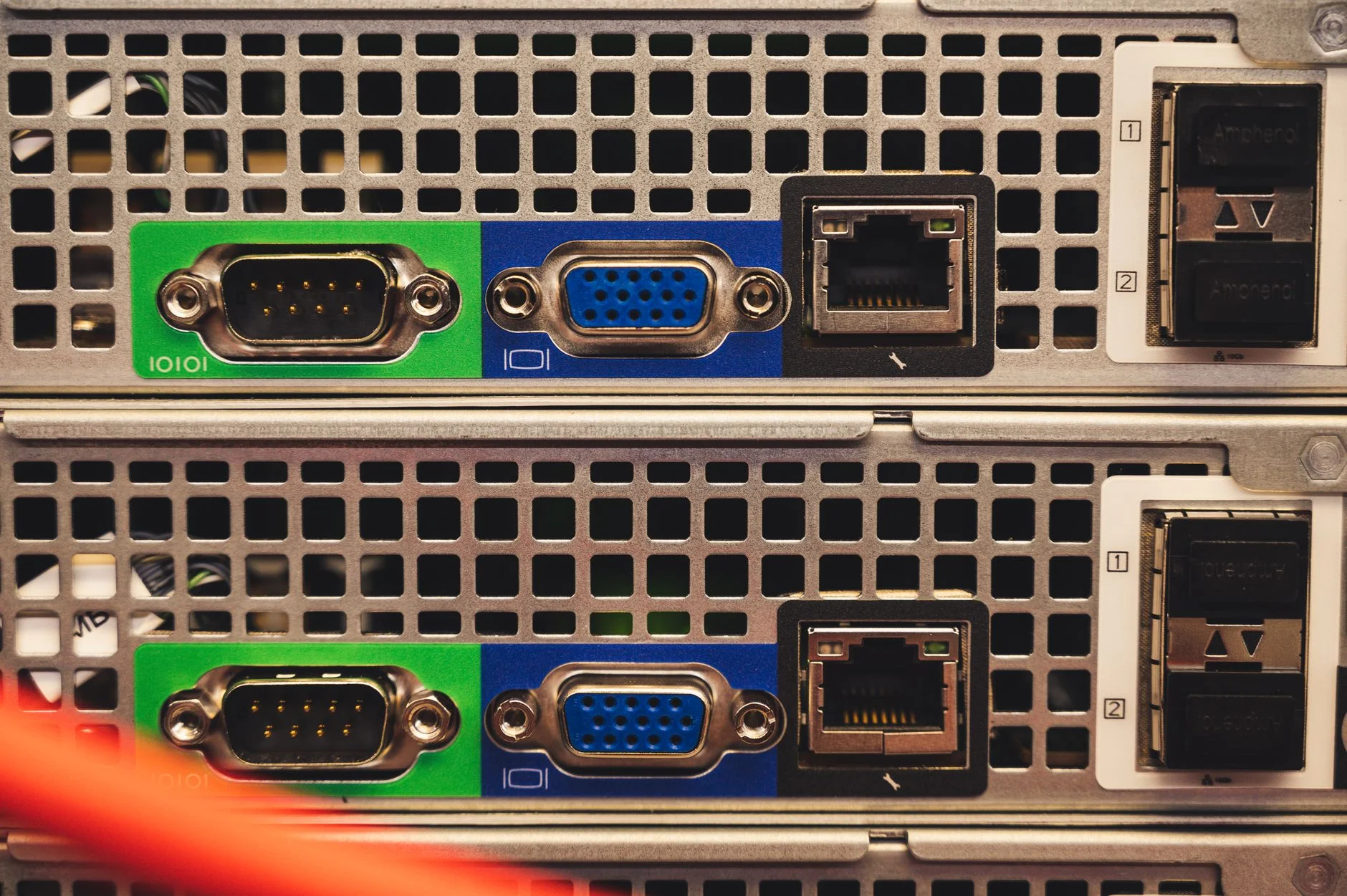
Photo by https://kaboompics.com/ on Pexels
Data portability: can you actually get your data out?
The first thing to check, before anything else, is what happens to your data if you leave. Ask specifically: can you export all of your data, not a subset, in a structured, non-proprietary format (CSV, JSON, or a documented schema) without paying an extraction fee or opening a support ticket that takes weeks to resolve.
Data portability sounds like a checkbox item, but the details matter enormously. A vendor that lets you export "your data" but strips out historical version history, audit logs, or relational structure between records is giving you a much weaker export than the phrase implies. Ask for a sample export before signing, not after, so you can evaluate what you'd actually be left with.
API access and integration dependencies
Most modern SaaS tools sit inside a stack of integrations, not in isolation. Before signing, map out what would need to be rebuilt if this vendor were removed: which automations, which reports, which downstream systems pull data from this tool via API or webhook.
Check whether API access is included in your plan tier or gated behind a more expensive one, whether rate limits are documented publicly, and whether the vendor has a history of deprecating API versions with short notice. A vendor whose API changes are announced with 90 days notice and a migration guide is a fundamentally different risk than one that ships breaking changes with a changelog entry nobody reads.
Contractual red flags worth checking before you sign
A handful of contract terms are worth reading closely, not skimming: auto-renewal clauses with short cancellation windows, data retention and deletion policies after termination, price-increase caps (or the absence of any), and any clause granting the vendor rights to your data beyond what's needed to provide the service.
Auto-renewal terms deserve particular attention. A contract that auto-renews annually with a 60-day cancellation window buried in section 14 has effectively locked you in for another year the moment that window passes unnoticed, regardless of whether the tool is still serving you well.
Estimating your real switching cost
Before signing, it's worth putting a rough number on what leaving would actually cost: engineering hours to migrate data and rebuild integrations, retraining time for staff, and any business disruption during the transition. This number won't be exact, but even a rough estimate changes the conversation from "this tool seems fine" to "this tool needs to be worth a two-month migration project if we ever want to leave."
"The vendors worth signing with are the ones whose exit terms you'd be comfortable explaining to a CFO two years from now. If a sales rep gets vague when you ask about data export, that's the answer." - Dennis Traina, founder of 137Foundry
Service-level agreements and what they actually guarantee
An SLA that promises 99.9% uptime sounds reassuring until you read what the remedy is for a breach: often a modest service credit, not a real penalty proportional to the business impact of an outage. Read what happens when the SLA is missed, not just what the SLA promises, since the remedy is what actually protects you.
Negotiate exit terms while you still have leverage
The best time to negotiate favorable exit terms is before you sign, not after you've already built a year of workflows around a vendor. Once a contract is signed and your team depends on the tool daily, your negotiating leverage drops sharply, because the vendor knows switching has become genuinely costly for you.
Ask directly, during the sales process, for contract language guaranteeing full data export at no cost, a reasonable transition period after cancellation before data deletion, and price-increase caps at renewal. Sales teams have more flexibility to grant these terms than they usually volunteer, especially for a deal they're trying to close, and a request here rarely kills a deal that was otherwise going to close.
Pricing structure and the escalation nobody budgets for
Introductory SaaS pricing is often not the pricing you'll pay in year two or three. Per-seat pricing that scales with headcount, usage-based tiers that jump sharply past a threshold, and add-on modules that were "included" during a pilot but become paid upgrades later are all common patterns. None of these are dishonest, exactly, but they're rarely surfaced clearly during the sales process.
Before signing, ask specifically what the contract looks like at 2x your current usage or headcount, and get that answer in writing rather than a verbal assurance. A vendor unwilling to commit pricing structure in writing for growth scenarios is telling you something about how renewal negotiations will go later.
Documentation and support quality as an early warning sign
Thin, outdated, or overly sales-oriented documentation is a signal worth taking seriously before you sign, not after you're stuck relying on a support ticket queue to answer basic integration questions. Request access to the vendor's actual developer documentation, not a marketing page, and have an engineer on your team review it before the contract is finalized.
A vendor with clear, versioned API documentation and a public changelog is telling you they take integration stability seriously. A vendor whose "documentation" is a sales engineer's Slack availability is telling you the opposite, and that gap tends to widen, not narrow, once you're a signed customer instead of a prospect.
Multi-tenant architecture and data isolation questions
For any tool handling sensitive business or customer data, it's worth understanding whether the vendor runs a multi-tenant architecture where your data shares infrastructure with other customers, or offers single-tenant isolation. This matters both for the lock-in conversation and for your own compliance obligations, since some regulatory frameworks and enterprise customers require clarity on data isolation before they'll accept a vendor in your stack at all.
Ask directly how tenant data is logically separated, what happens during a security incident affecting another tenant, and whether the answer changes at higher-tier plans, since some vendors reserve stronger isolation guarantees for their most expensive tiers.
The total cost of ownership, not just the subscription price
The subscription line item is rarely the full total cost of ownership of a SaaS tool. Implementation time, ongoing administration, training for new hires, and the eventual migration cost if you leave all belong in a real comparison between vendors, even though only the subscription price shows up on the initial quote. A cheaper tool with a messier export process and thinner documentation can easily cost more over three years than a pricier tool with clean exit terms.
A short checklist to run before you sign anything
Before committing to a SaaS contract, confirm: full data export is available without extraction fees, API access exists and is documented, the contract's auto-renewal and cancellation terms are clear and reasonable, the SLA's remedy for downtime is meaningful, and you have at least a rough estimate of switching cost if this vendor ever needs to be replaced. If a vendor's sales team can't answer these clearly, that hesitation is itself useful information.
Who on your team should own this audit
Vendor evaluations often fall to whoever initiated the purchase, frequently someone outside engineering who isn't positioned to evaluate API documentation or data export mechanics firsthand. A short technical review from an engineer, even a thirty-minute pass through the documentation and a test export, catches problems that a purely business-side evaluation misses entirely.
This doesn't need to become a heavyweight process for every tool. A lightweight version of this audit, run consistently for any vendor handling meaningful business data, catches the majority of lock-in risk without turning every SaaS purchase into a weeks-long procurement exercise.
When some lock-in is an acceptable tradeoff
None of this means lock-in is always disqualifying. A tool that's genuinely best-in-class for a core function may be worth some switching cost, especially for smaller teams where engineering time spent on vendor evaluation has a real opportunity cost. The goal isn't zero lock-in everywhere. It's making the tradeoff deliberately, with real numbers, instead of discovering the cost of leaving only after you're already trying to.
The bottom line
Vendor lock-in is invisible at signing time and expensive at exit time. Running a short audit, data portability, API access, contract terms, and a rough switching-cost estimate, before signing turns a blind commitment into an informed one. If your team is evaluating a vendor decision or untangling an existing integration that's grown more brittle than expected, 137Foundry's data integration service works through exactly this kind of assessment, and the services hub covers the rest of what we do. You can also read more on the 137Foundry blog for related engineering and business-technology breakdowns.